The following article was written by Daniel Harrison, a Haliburton Highlands Land Trust Partner in Conservation.
“I think having land and not ruining it is the most beautiful art that anybody could ever want.” - Andy Warhol
My 3rd Great-Grandparents descended on the frontier of Canada West in the late 1850s at the outlet of Kashagawigamog Lake (Ingoldsby). They were the grandchildren of some of the first European settlers (1780s) on the shore of Lake Ontario aka “Sparkling Water”. Lured to the north by land and opportunity, they would have travelled along the recently built, rugged and historic “Bobcaygeon Road” to reach the Highlands. In Ingoldsby, they raised a family in a crude log cabin and made their living as merchants, catering to loggers and other settlers.
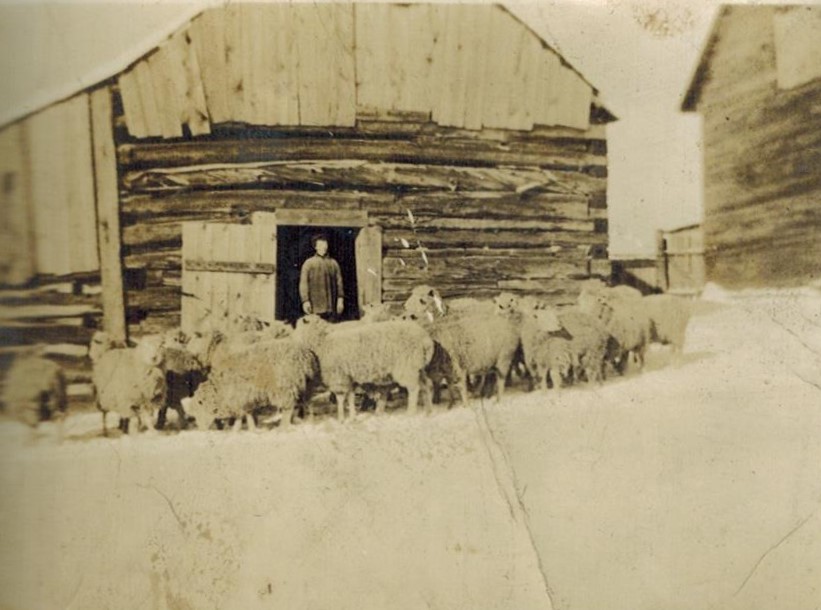
One of their children was a determined lad who would go on to establish a sprawling homestead between present-day Lochlin and Donald, in the late 1880s. A lot of this land was Burnt River floodplain and was one of the more suitable farming locations around. Notably, this homestead was located on the northern boundary of the current Highlands Corridor and represents the first of an ongoing six generations of our line within its boundaries.
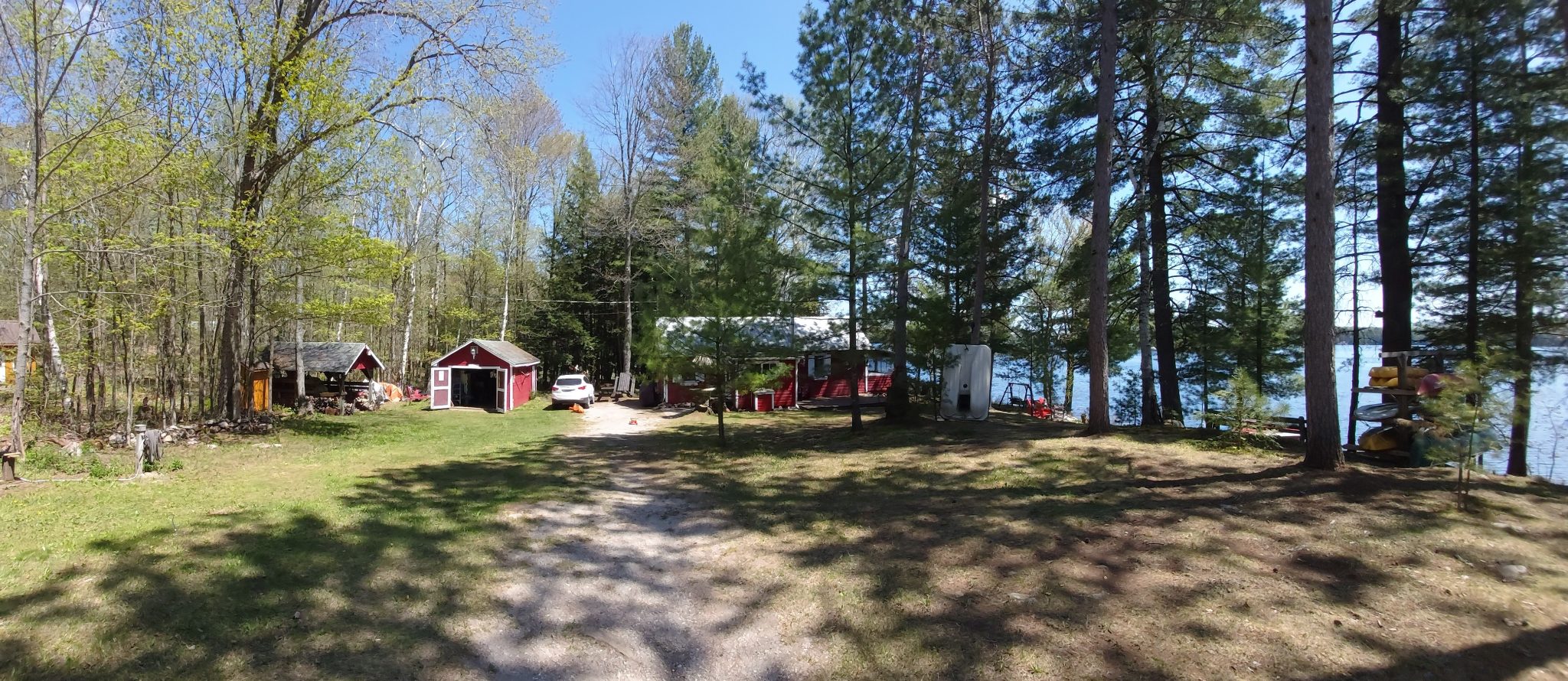
In 1908, more land was acquired a short distance away on Koshlong Lake (formerly Cocwayong), where our family has maintained a presence ever since. There is plenty to critically examine about the nature of European settlement in North America, be it the environmental impacts or the treatment of Indigenous peoples. Here, though, I will speak only to the history which I am well versed and will defer the more nuanced topics to those more qualified.
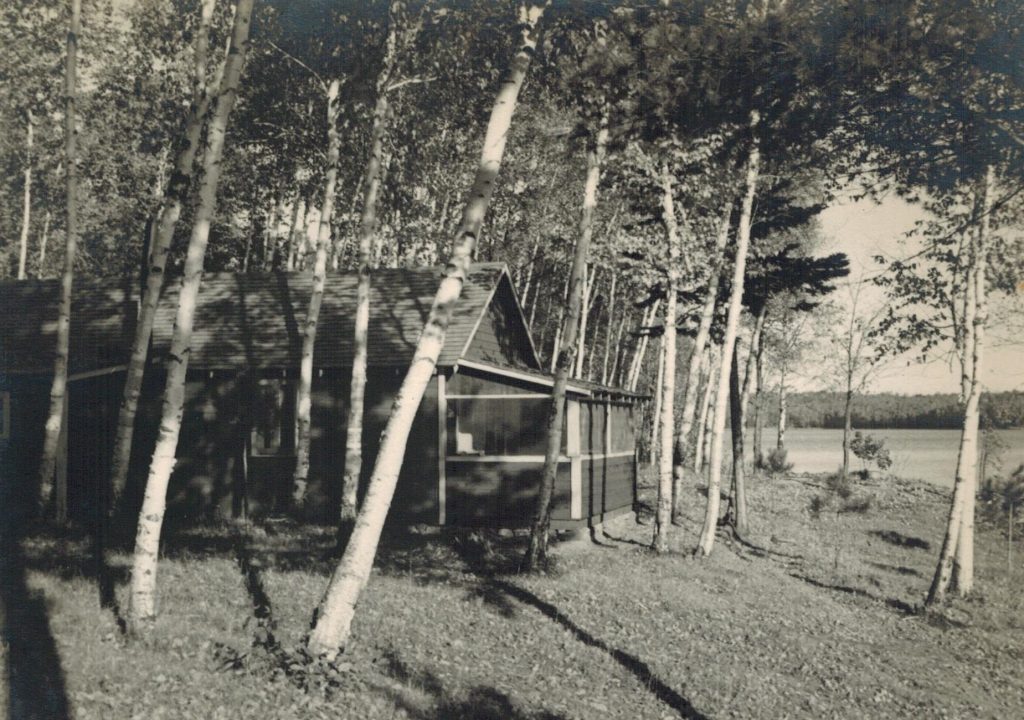
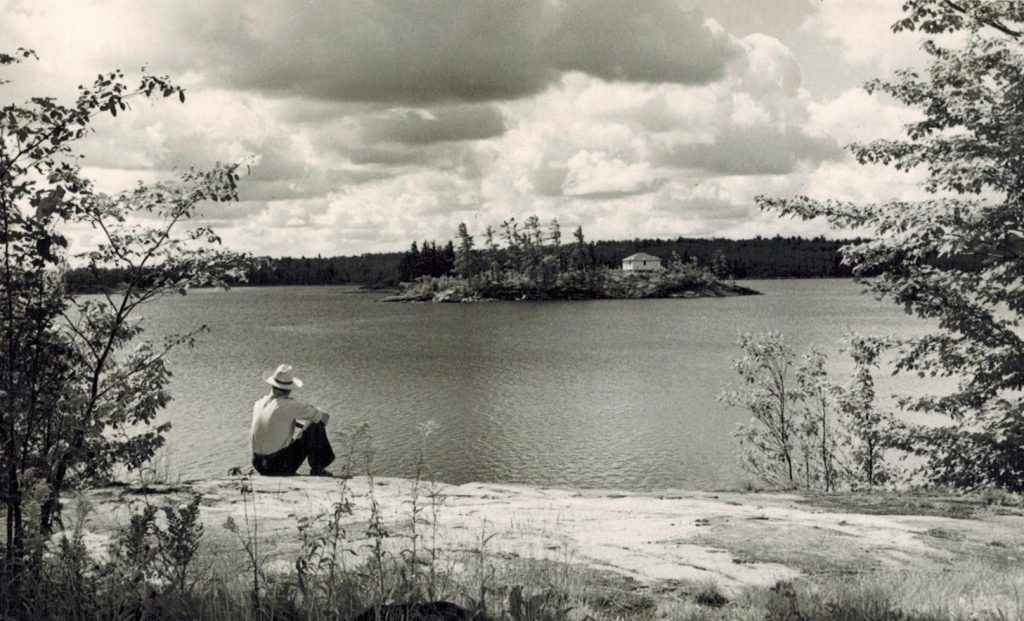
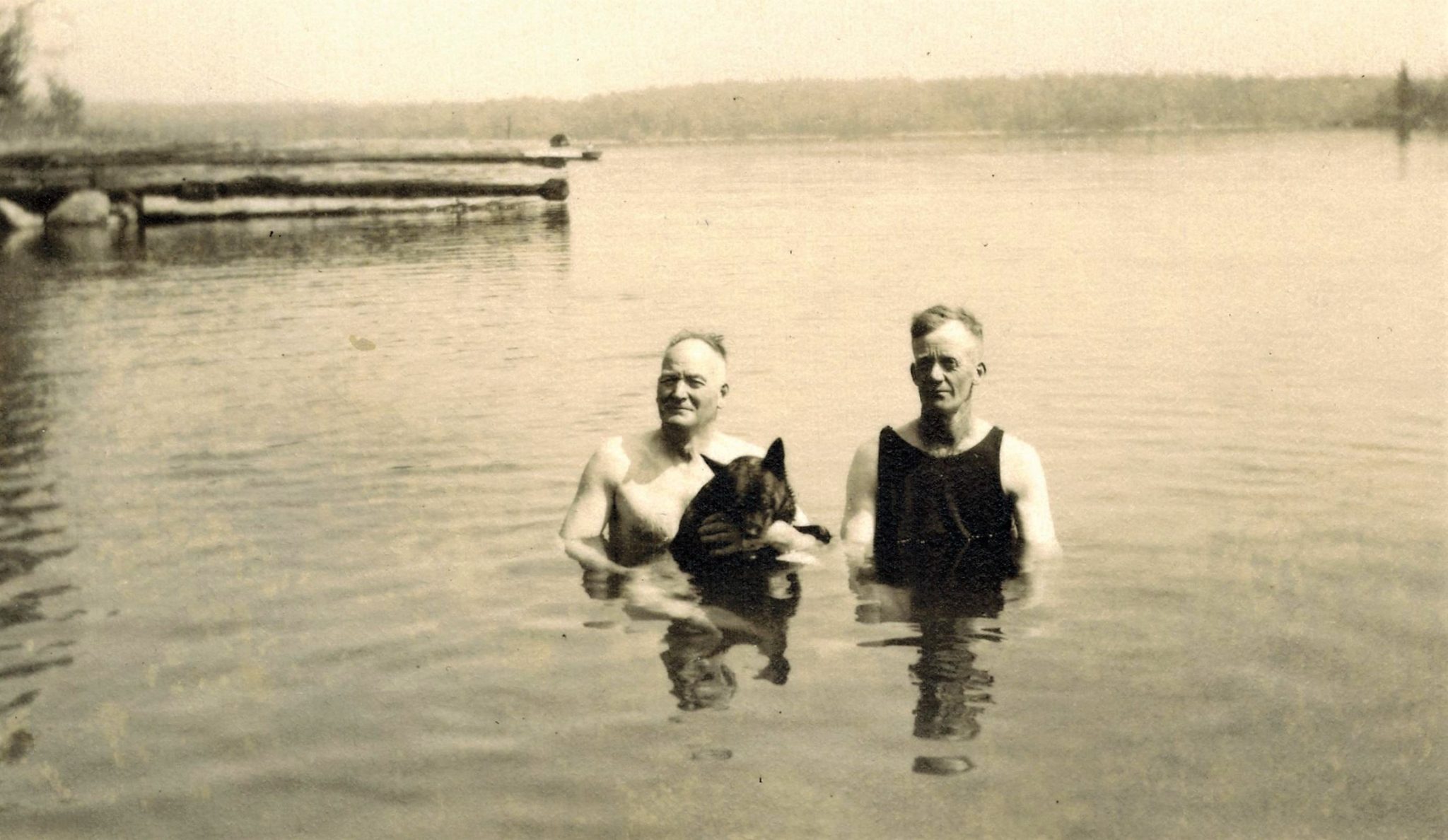
It is a very interesting thing when a family stays in place for many generations. The artifacts, buildings, trees, gardens, traditions and lore allow one an uncommon insight into time’s passage. The emotions are inter-generationally cumulative and in proportion to the legacy. I can see the reverence for this land in the tattered sepia-toned photographs of my ancestors – in their eyes, in their gazes across the lake and landscape. In those photos, I can also identify saplings from 100+ years ago that are now towering beasts. Logging they did, but I can see their appreciation of nature in the mature forests which stand today. I can see it in the traditional buildings erected to fulfill a need only without a wholesale assault on the landscape.
When I first heard about HHLT’s concept of the Highlands Corridor and Partners in Conservation (PIC) Program, I contacted PIC Coordinator Rick Whitteker right away. I knew that the program was a perfect fit for my family’s heritage on Koshlong Lake. While the various workshops and seminars offered through the program are very useful, it is the human connections made that have proven to be most valuable. Whether establishing relationships with HHLT members, PIC participants, or like-minded individuals throughout the County and beyond – this – is how we can help protect the land we love and achieve ambitious goals like the establishment of the Highlands Corridor.
My friends, I cannot claim with any scientific rigour, but I am convinced something stirs deep within the soul when one walks where their ancestors walked. Maybe it originates from a genetic memory, or maybe it’s related to the intersection of space and time, but something animates itself there.
We are exceedingly proud to stand with HHLT as a Partner in Conservation.
-Daniel E. Harrison