• Skip to primary navigation
  • Skip to main content
Haliburton Highlands Land Trust

Haliburton Highlands Land Trust

Protecting the land we love for future generations

donate
  • About
    • Introduction
    • Board and Staff
    • AGM & Audited Financials
    • Strategic Plan
    • Videos
    • Privacy Policy
    • Code of Ethics and Governing Principles
  • Properties
    • Barnum Creek Nature Reserve
    • Dahl Forest
    • Fred & Pearl Barry Wetland Reserve
    • Norah’s Island
    • Smith Forest
    • Hadlington Reserve
    • Hiking Trails
    • Trail Etiquette and Safety
  • Projects
    • Current Projects
    • Partners In Conservation Program
    • The Highlands Corridor
    • Conservation
    • Education
    • Research
  • Species at Risk
    • Introduction
    • Amphibians
    • Birds
    • Insects
    • Plant Life
    • Mammals
    • Reptiles
  • Support
    • Adopt an Acre
    • Business Sponsorships
    • Donate/Conserve Land
      • Land Donation
      • Land Conservation & Stewardship
    • Donate
    • Become A Partner In Conservation
    • Legacy Giving
    • Volunteer
    • Gifts and Shopping
    • Membership 2025
  • News & Events
    • Intro to News and Events
    • News
    • Events and Registration
  • Contact
  • Search
home > Archives for Rick Whitteker

Rick Whitteker

PIC News: Six Generations in the Highlands Corridor

January 11, 2026

The following article was written by Daniel Harrison, a Haliburton Highlands Land Trust Partner in Conservation.

“I think having land and not ruining it is the most beautiful art that anybody could ever want.” - Andy Warhol

My 3rd Great-Grandparents descended on the frontier of Canada West in the late 1850s at the outlet of Kashagawigamog Lake (Ingoldsby). They were the grandchildren of some of the first European settlers (1780s) on the shore of Lake Ontario aka “Sparkling Water”. Lured to the north by land and opportunity, they would have travelled along the recently built, rugged and historic “Bobcaygeon Road” to reach the Highlands. In Ingoldsby, they raised a family in a crude log cabin and made their living as merchants, catering to loggers and other settlers.

One of their children was a determined lad who would go on to establish a sprawling homestead between present-day Lochlin and Donald, in the late 1880s. A lot of this land was Burnt River floodplain and was one of the more suitable farming locations around. Notably, this homestead was located on the northern boundary of the current Highlands Corridor and represents the first of an ongoing six generations of our line within its boundaries.

In 1908, more land was acquired a short distance away on Koshlong Lake (formerly Cocwayong), where our family has maintained a presence ever since. There is plenty to critically examine about the nature of European settlement in North America, be it the environmental impacts or the treatment of Indigenous peoples. Here, though, I will speak only to the history which I am well versed and will defer the more nuanced topics to those more qualified.

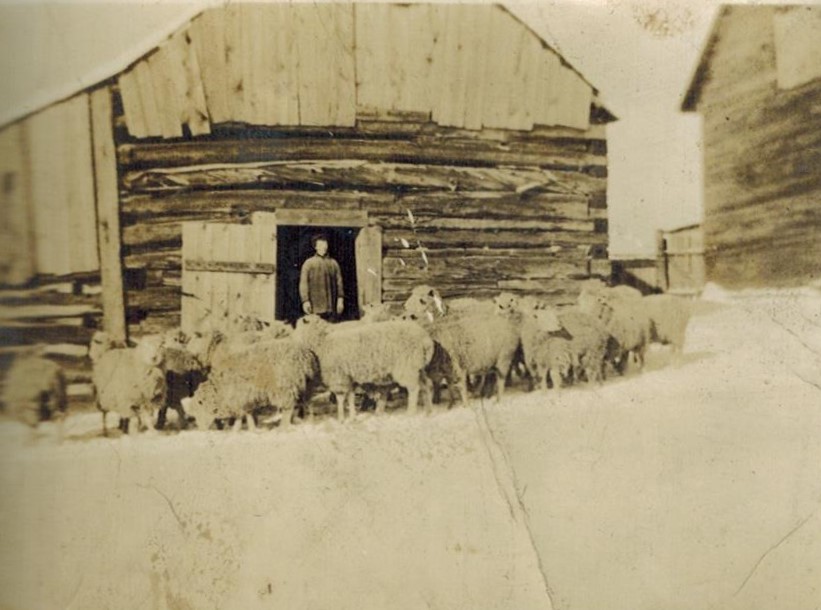
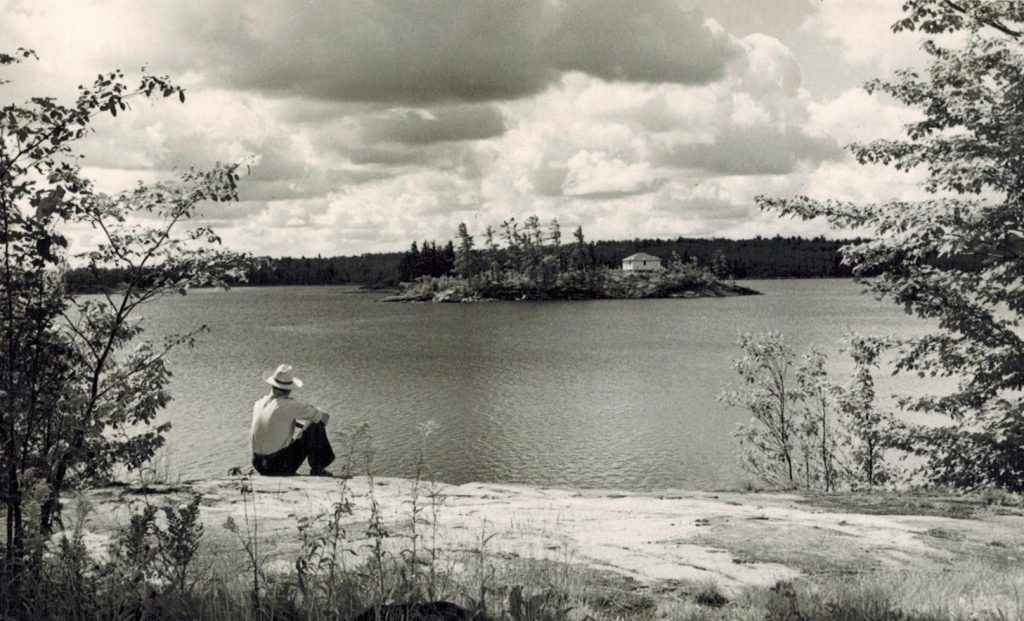
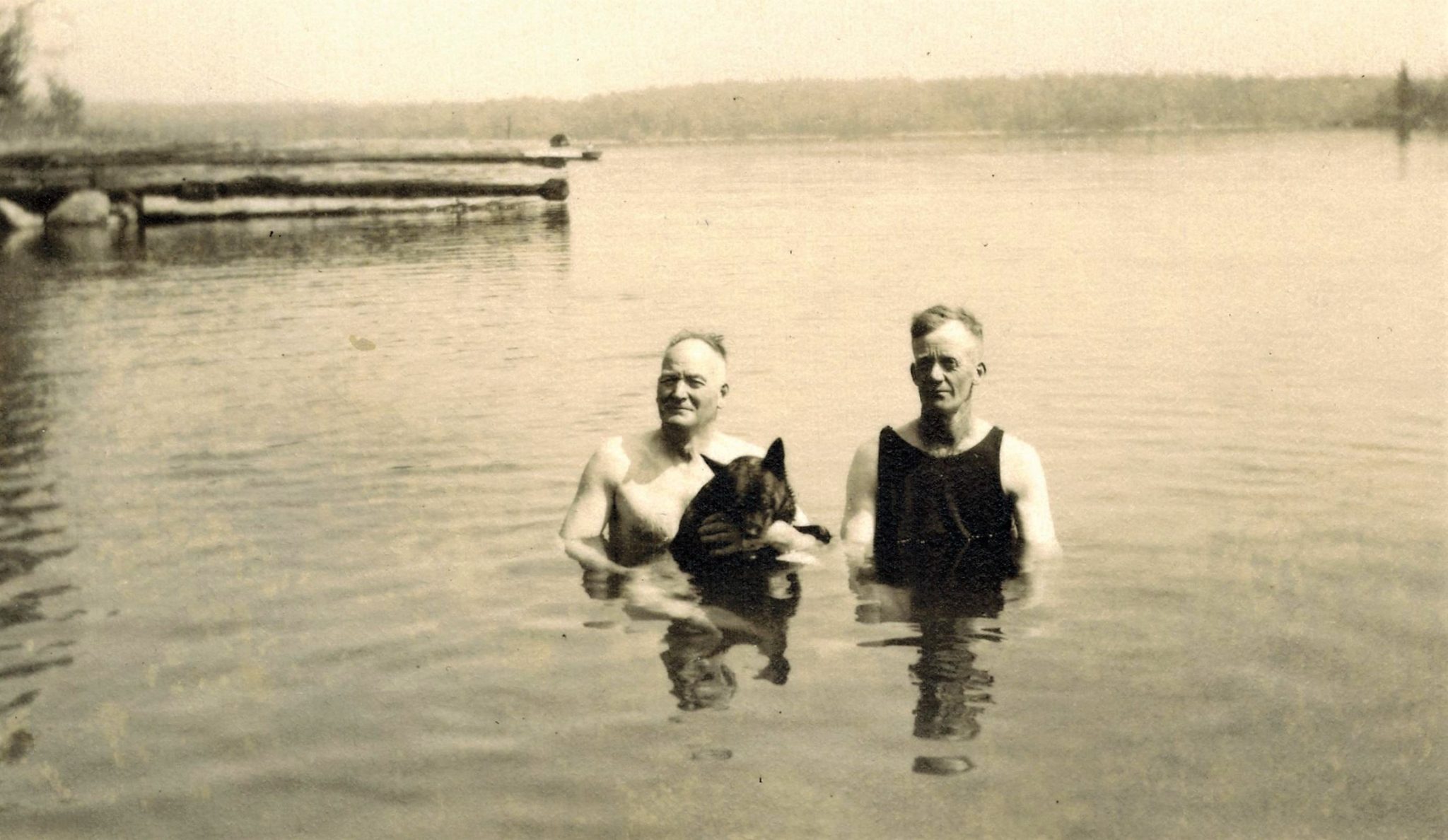
It is a very interesting thing when a family stays in place for many generations. The artifacts, buildings, trees, gardens, traditions and lore allow one an uncommon insight into time’s passage. The emotions are inter-generationally cumulative and in proportion to the legacy. I can see the reverence for this land in the tattered sepia-toned photographs of my ancestors – in their eyes, in their gazes across the lake and landscape. In those photos, I can also identify saplings from 100+ years ago that are now towering beasts. Logging they did, but I can see their appreciation of nature in the mature forests which stand today. I can see it in the traditional buildings erected to fulfill a need only without a wholesale assault on the landscape.

When I first heard about HHLT’s concept of the Highlands Corridor and Partners in Conservation (PIC) Program, I contacted PIC Coordinator Rick Whitteker right away. I knew that the program was a perfect fit for my family’s heritage on Koshlong Lake. While the various workshops and seminars offered through the program are very useful, it is the human connections made that have proven to be most valuable. Whether establishing relationships with HHLT members, PIC participants, or like-minded individuals throughout the County and beyond – this – is how we can help protect the land we love and achieve ambitious goals like the establishment of the Highlands Corridor.

My friends, I cannot claim with any scientific rigour, but I am convinced something stirs deep within the soul when one walks where their ancestors walked. Maybe it originates from a genetic memory, or maybe it’s related to the intersection of space and time, but something animates itself there.

We are exceedingly proud to stand with HHLT as a Partner in Conservation.

-Daniel E. Harrison
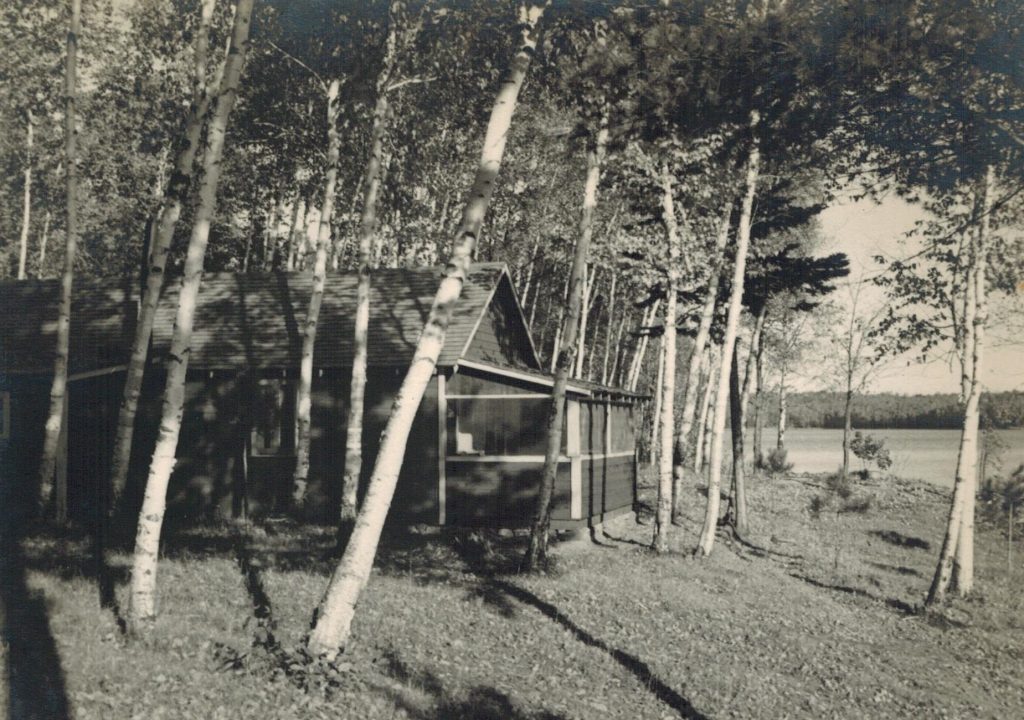
Harrison Cottage, Koshlong Lake, 1941
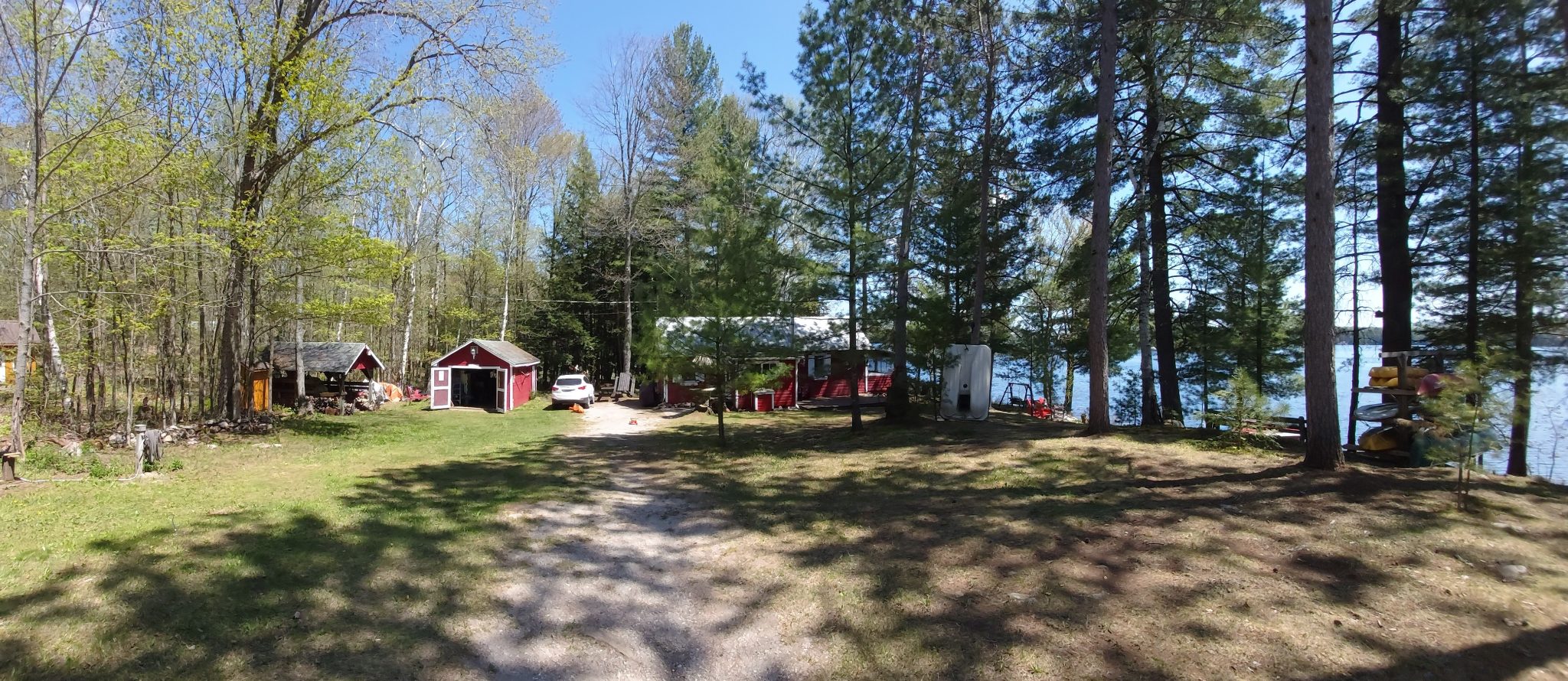
Harrison Cottage 2020
Harrison Homestead, Donald, 1910
J.E. Harrison, Koshlong Lake, 1941
James and Cecil Harrison, Koshlong Lake, 1940

Filed Under: Partners in Conservation Program

Featured Partner in Conservation Nancy Cooper

June 9, 2024

Nancy Cooper

Recently, Rick Whitteker, our Partners in Conservation Coordinator had a chance to meet one of the original Partners in Conservation, Nancy Cooper. A small group of HHLT board members, employees and key volunteers joined Rick and Nancy for a tour of her property. Nancy, author and land steward, is originally from northern Ontario and is a member of the Chippawa Nation of Rama. Nancy introduced herself and her sister-in-law Lexanne and, through their stories, their passion for their 300 acres of land became very clear.

“A gift from the Creator” is Nancy’s view of how her family ended up buying the property in 1996; the story of the purchase is full of serendipity. Nancy feels the land gives her a closer connection to her ancestors and her brother Ed, who jointly owned the property and loved to spend time there. Ed passed 10 years ago and was Lexanne’s husband. His memory still brings these two women together in their mutual love of the land.

The HHLT group rambled together down a track following Nancy’s gentle pace. Nancy encouraged everyone to listen and learn from the surroundings. This was not a hard sell for this collection of dedicated land conservationists, as wild columbine, pileated woodpecker holes and flowering bunchberry were noted along the way. The group heard stories of illegal marijuana growers, elder sweat lodge gatherings, healing ceremonies, trapping and hunting. Muddy prints of moose tracks gave everyone a hint of the diversity of wildlife that makes this landscape home. A Blanding’s turtle was spotted on the way into the property and a painted turtle basked on a log in the fen where the group met up.

Nancy and Lexanne also spoke of wildlife like great blue herons perching on floating logs, whip-poor-will calls and jelly-like mounds in the pond water that are made up tiny filter feeding aquatic animals called bryozoan! Ending up at a large pond, the group could see a cabin across the water, built at the base of a small peninsula with water on both sides. A weekend getaway spot built by Ed and Lexanne, the cabin is only accessible by water. A homemade barge rests on the shore, a reminder of the ingenuity and dedication needed to construct this remote dwelling. The water for this large pond is held back by a significant beaver dam.

This is where Nancy drew her inspiration for her book, Biindigen. Amik Says Hello. Recognizing firsthand the role of the beaver in biodiversity, the story follows a family of beavers as they search for a shy family member who disappears when their cousins arrive for a visit. In their search, they meet various animals that have benefited from the industrious beaver. Written from an indigenous perspective for 3–7-year-olds, the story is a wonderful combination of fun and fact, allowing readers to also learn of some Anishinaabe words.

The enlightening property tour ended with the melodious song of a rose breasted grosbeak and a group photo. With Nancy holding her book and Lexanne holding one of the Land Trust’s new I’m a Proud Partner in Conservation sign, we were all smiles after our time together. The HHLT would like to thank Nancy for becoming a Partner in Conservation land steward, sharing her story and love of the land.

Nancy’s book can be ordered at goodminds.com. A portion of every sale goes to the SILT fund which is Supporting Indigenous Libraries Today an organization important to Nancy and her work.

Filed Under: Partners in Conservation Program, Projects - Conservation

You Can Help!

Support the Land Trust and take a direct role in protecting the habitats and wildlife of the Haliburton Highlands.

Donate icon Donate Arrow graphic
Graphics of hands reaching up Volunteer Arrow graphic

Haliburton Highlands Land Trust
739 Mountain Street
P.O. Box 1478
Haliburton, ON K0M 1S0
Telephone: 705-457-3700
admin@haliburtonlandtrust.ca

YouTube logo

Graphic of envelopeInstgram logoTwitter logoFabebook logo

© 2026 Haliburton Highlands Land Trust
Privacy Policy

Site Development by technicalities.ca

  • Newsletter Sign Up
  • Donate
  • Adopt an Acre
  • Hiking Trails