
Haliburton Highlands Land Trust Acquires 200 Acre Nature Reserve Near Minden With The Support of Parks Canada
Haliburton Highlands Land Trust (HHLT) is pleased to announce that we have reached an agreement to purchase and protect a 200 acre property just north of the town of Minden on Plantation Road. The (temporarily named) Campbell Property, will be our seventh nature reserve and with your help, the third to offer public hiking trails to our community.
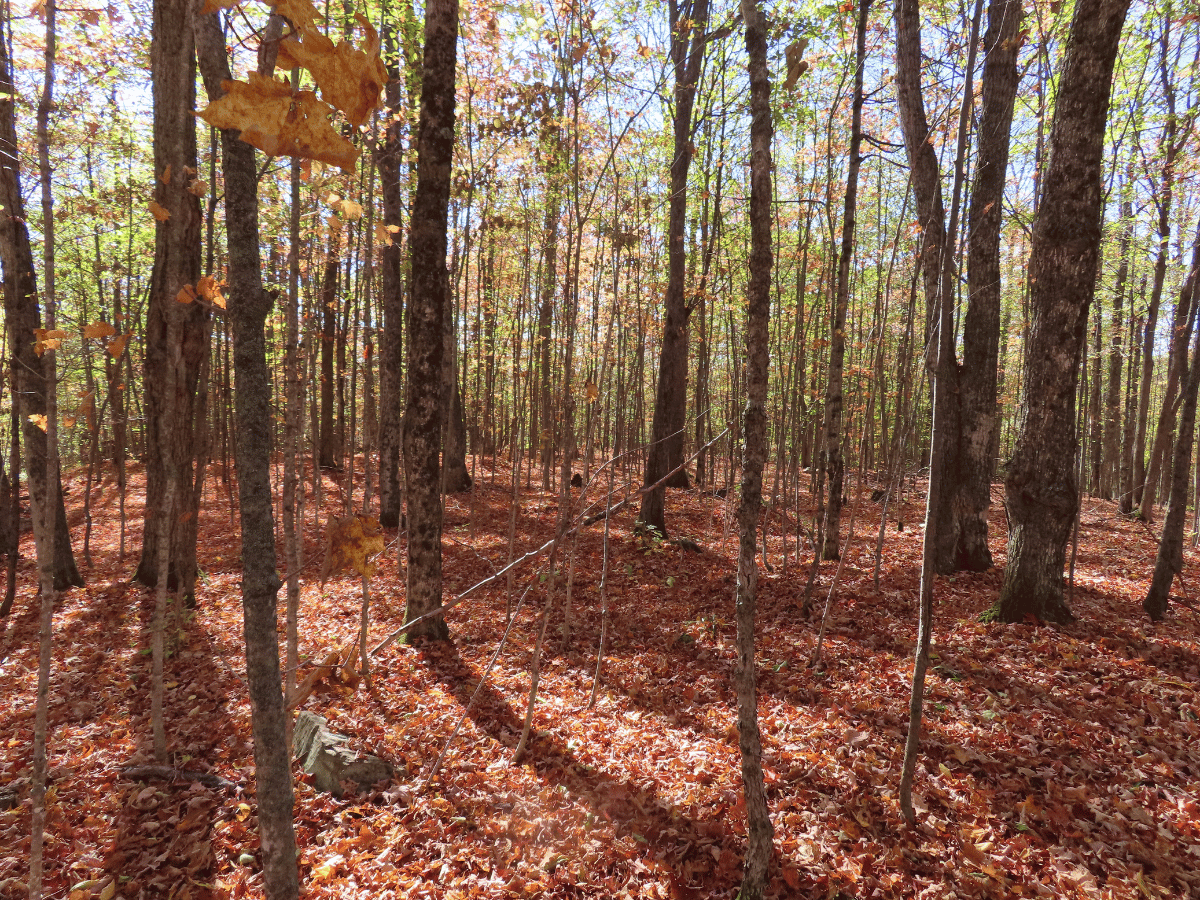
“The property stands out for its sheer diversity of terrain,” says Todd Hall, Chair of the HHLT Board. “15 unique habitats can be found here from open meadows, pine plantations, fens, swamps, and sugar maple forest. Our preliminary research already shows that the property protects 6 regionally rare or at risk species including Snapping Turtles, Midland Painted Turtles, and Black Ash trees which rely on this area for survival.”
“We were especially drawn to the property’s expansive 50 acres of wetland. Situated directly north of Minden on the Gull River Watershed, these wetlands are critical infrastructure for our community. Not only do wetlands safeguard water quality, they also act as giant sponges collecting and slowing down water as it moves through the landscape. For every wetland that gets removed, the risk and cost of future flooding increases. Minden has already experienced 3 flooding emergencies since 2013, resulting in millions in damages. Protecting these wetlands means protecting our community and a win-win for both people and nature,” says Hall
“The property also features a large tract of meadow that has also been regularly maintained by the Campbell Family. Grassland habitats like these are rare in Haliburton and are some of the most threatened in Ontario. By continuing to maintain this meadow, HHLT can provide vital habitat for grassland birds like the Meadowlark and Bobolink whose populations have declined by 67% on average since the 1970s,” says Hall
“We have many great memories here with our family” say previous owners Andy and Sylvia Campbell. “Selling the property to the Haliburton Highlands Land Trust was a win-win for us knowing it will be taken good care of and we’ll still be able to visit whenever we want.”
The purchase has been generously funded through Parks Canada’s National Program For Ecological Corridors (NPEC) in support of HHLT’s Highlands Corridor project. HHLT is one of only 27 groups across Canada to receive this funding. Through this program Parks Canada has identified 23 National Priority Areas considered conservation “hotspots” where establishing ecological corridors between national and provincial parks can have the greatest impact towards sustaining biodiversity.
The protection of the Campbell Property strengthens ecological connectivity to the nearby Queen Elizabeth Wildlands II Provincial Park. Regionally, the property lies within Parks Canada’s National Priority Areas of the Frontenac Arch and Georgian Bay wildlife corridors. Protecting the Campbell property not only contributes to connectivity within these priority areas, but also enhances connectivity between them.
“Conserving biodiversity and protecting our environment are vital to Canadians’ quality of life—and are smart, forward-looking investments. Parks Canada works with Indigenous communities, provinces and territories, and a range of partners to create connected landscapes that support wildlife, while offering Canadians opportunities to experience nature. Together, these efforts strengthen local economies, advance conservation on the ground, and help build a climate-resilient Canada. Congratulations to Haliburton Highlands Land Trust on this important acquisition and for their leadership in conservation.”
The Honourable Julie Dabrusin
Minister of the Environment, Climate Change and Nature
Naming Contest
Now that we've acquired the Campbell Property we need your help choosing its official name! Stay tuned for more details.
Property Photos


FAQ
How was this property selected?
We often ask local realtors for availability of properties that may fit our conservation criteria. A conversation with Andy Campbell, former HCDC executive director and realtor, prompted this opportunity. He and his wife Sylvia offered their property due to their declining use of it over recent years. After confirming the property could be a fit, Land Trust policies require our biologists to conduct an in depth assessment to evaluate the ecological value of the property and fit with Parks Canada’s criteria. The variety and quality of ecosystems, its proximity to Queen Elizabeth Wildlands II Provincial Park, and potential to open a public trail system made it a top candidate. This assessment was then approved by Parks Canada as qualifying for purchase. Once approved, we are obligated to source an official third party property appraisal to establish the fair market value for which we can make an offer.
What are ecological corridors?
Ecological corridors are continuous tracts of habitat and natural lands connecting protected areas like provincial parks. They are a key strategy for protecting biodiversity over the long term through the prevention of habitat fragmentation, a leading cause of biodiversity loss in Ontario. Ecological corridors ensure species can move freely across the landscape to access the food sources, breeding grounds, and resources they need to survive.
What is the Highlands Corridor?
The Highlands Corridor is an ecological corridor project initiated by HHLT that aims to protect biodiversity in Haliburton County by ensuring continuing natural connectivity between Queen Elizabeth Wildlands II, Kawartha Highlands, and Silent Lake Provincial Parks. The Highlands Corridor spans approximately 100,000 hectares at the south end of Haliburton County. It boasts a rich landscape of forests, wetlands, and rock barrens that is truly unique within Ontario. Beyond our own work directly establishing nature reserves, we support and collaborate with landowners, local government, and industry to protect biodiversity and enhance climate resiliency within this area. Regionally, the Highlands Corridor strengthens connectivity between two of Parks Canada’s National Priority Areas for Ecological Corridors (NPAECs), the Niagara Escarpment to Georgian Bay NPAEC and the Frotenarc Arch and Lower Great Lakes NPAEC.