How Wetlands Help: A Note On The Minden Floods
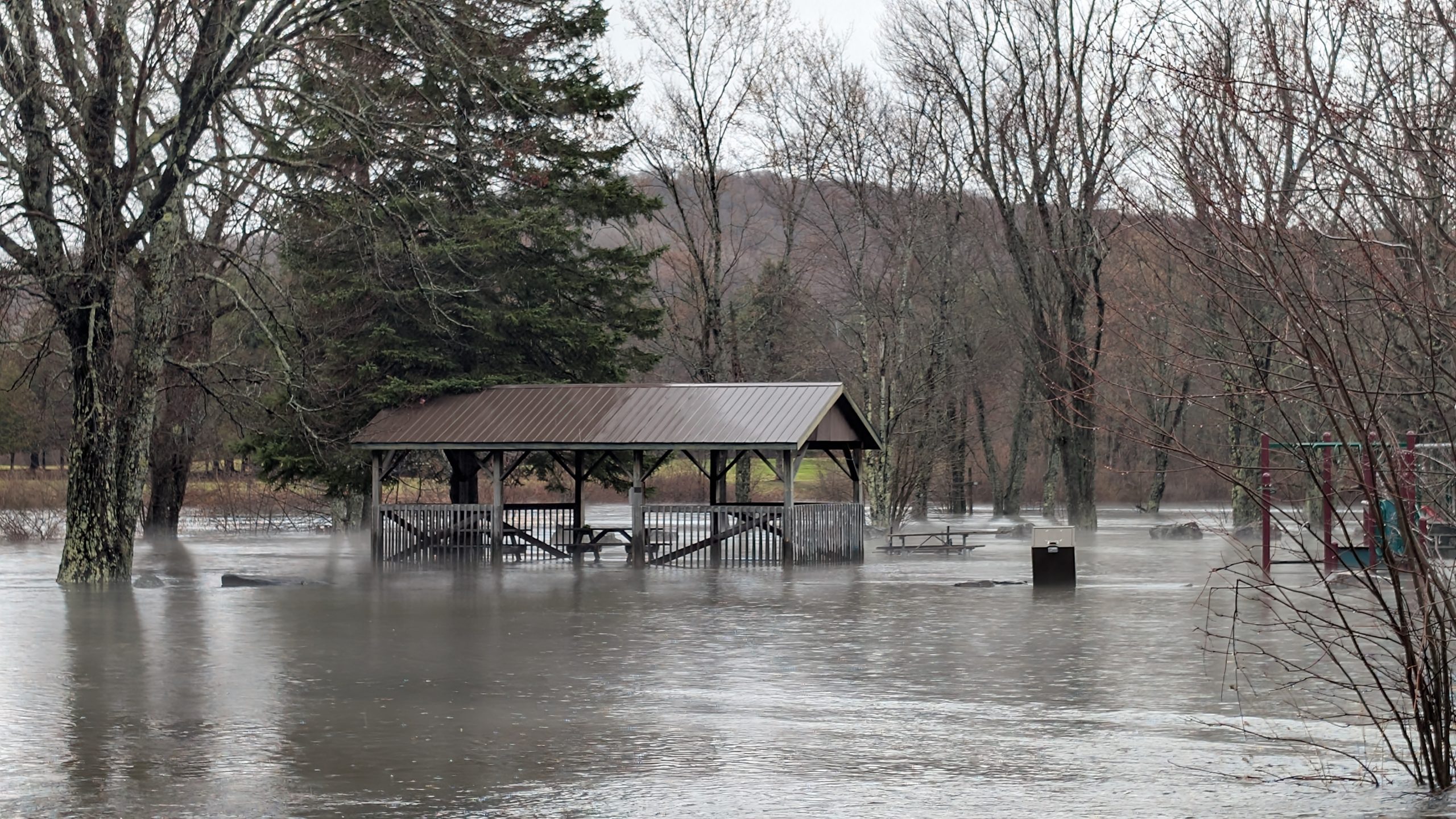
HHLT were deeply saddened to see flooding once again impact our community this April. We feel for the families and businesses who once again have to deal with the worry, the impact, and the cost. Yet we are filled with deep gratitude for those community members who came out in force to volunteer, fill sandbags, and help those impacted most.
As the waters recede we reflect on our own mission, and realization that to protect our homes, we need to protect one of nature’s best defences: wetlands
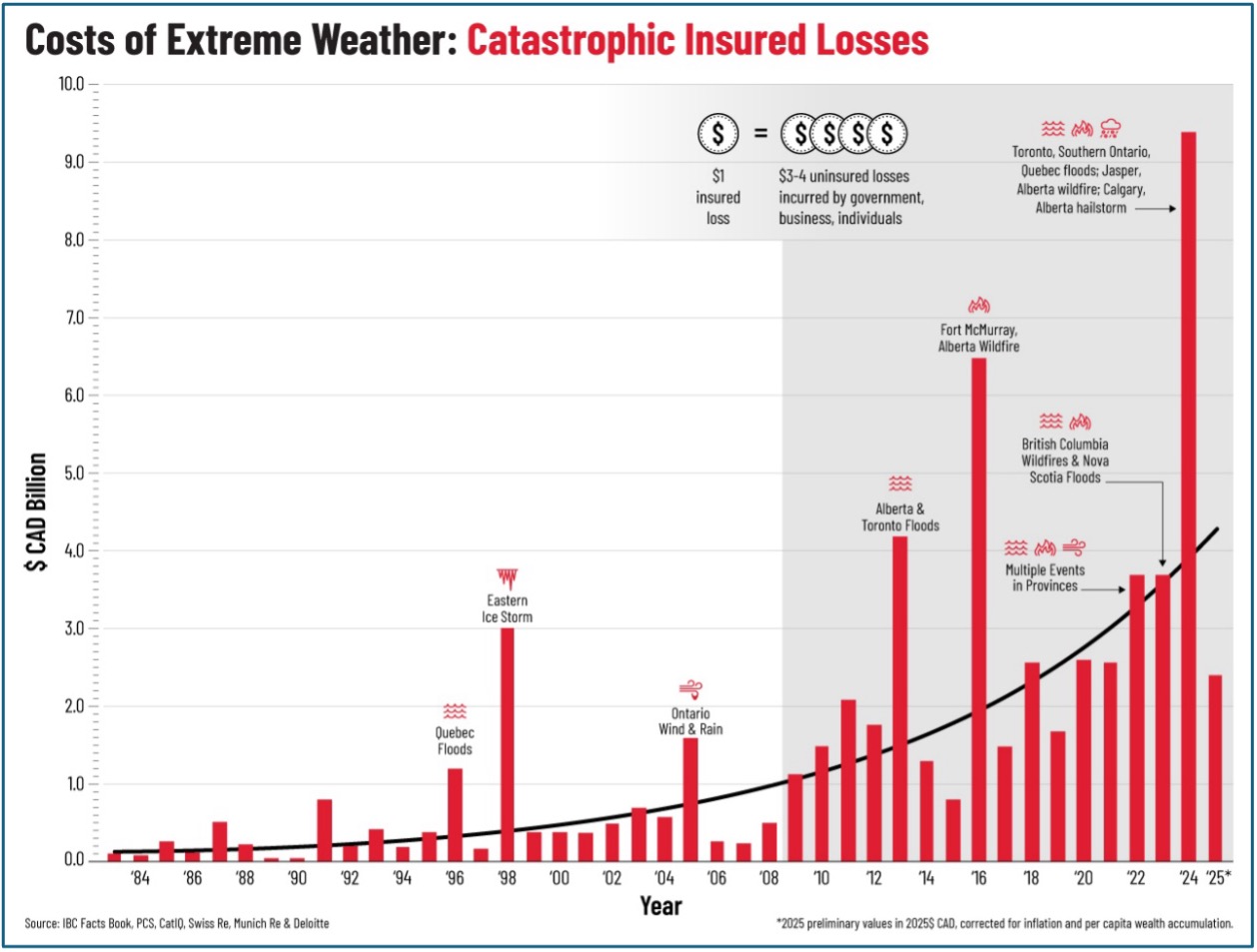
Wetlands are often under-appreciated, yet they are one of our most effective and cost efficient tools for protecting our community against floods. They act as giant sponges, slowing down and capturing flood waters before they hit your basement. The data backs this up. Ontario studies show wetlands reduce rural flooding costs by up to 29%. Even the insurance industry—which now pays out billions in claims annually—has pivoted, finding it more profitable to invest in wetland restoration than to pay for the aftermath of their destruction.
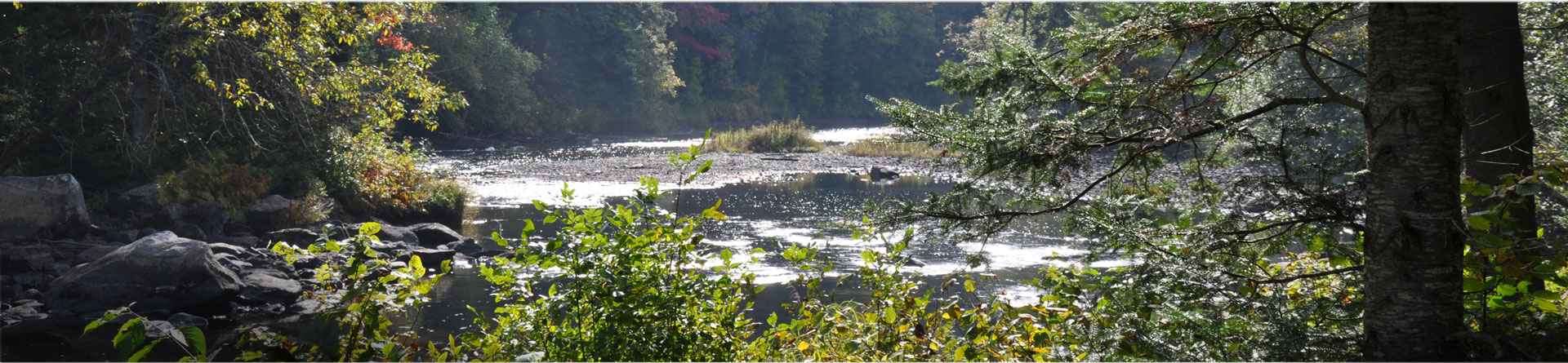
Meanwhile, this same sponge behaviour also limits impact during times of drought, keeping water on the land, and delaying your well from going dry. Not to mention the other 9 provincially recognized ecosystem service benefits wetlands provide.
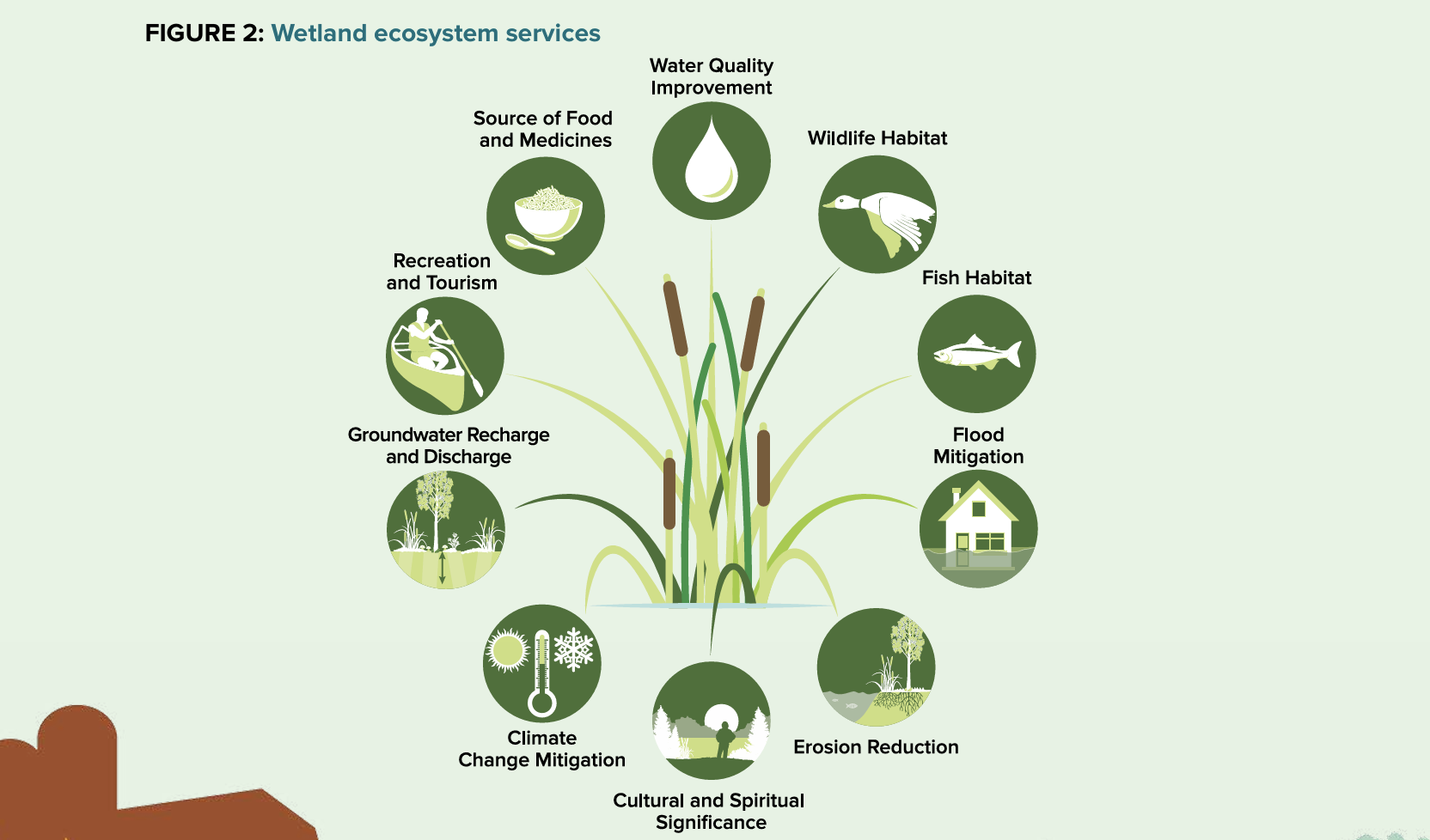
Unfortunately, we have lost much of these natural defenses. The cumulative loss of local wetlands has dropped the Gull River watershed’s capacity to absorb flood waters over time. When paired with a climate change induced increase in the intensity of spring storms the result is the frequent, devastating floods of recent years. Every additional wetland we lose further lowers the land’s capacity to absorb flood waters, meaning more damage, and greater costs our community can’t afford.
So how do we halt local wetland loss? We must first clearly understand where they are. Historical wetland maps used by the municipalities from MNRF have proven to be outdated and inaccurate. The Haliburton Highlands Land Trust has collaborated with Glenside Ecological Services and other organizations on numerous wetland mapping projects in Minden Hills and Algonquin Highlands over the past decade. These more accurate maps can help our local municipalities improve land use decision making.
“The resulting wetland mapping layer represents the best available wetland mapping and provides useful information for planning, mapping, climate change adaptation and infrastructure decisions.”
Former Haliburton County Chief Administrative Officer, Mike Rutter
Our research revealed a particularly special place, a jewel of resilience: The Highlands Corridor. The Corridor contains some of the most concentrated, extensive, and healthy wetlands remaining in all of South and Central Ontario. Wetlands cover an amazing 19% of the Highlands Corridor landscape compared to just 11% for all waterbodies including lakes and rivers in our wider ecoregion.
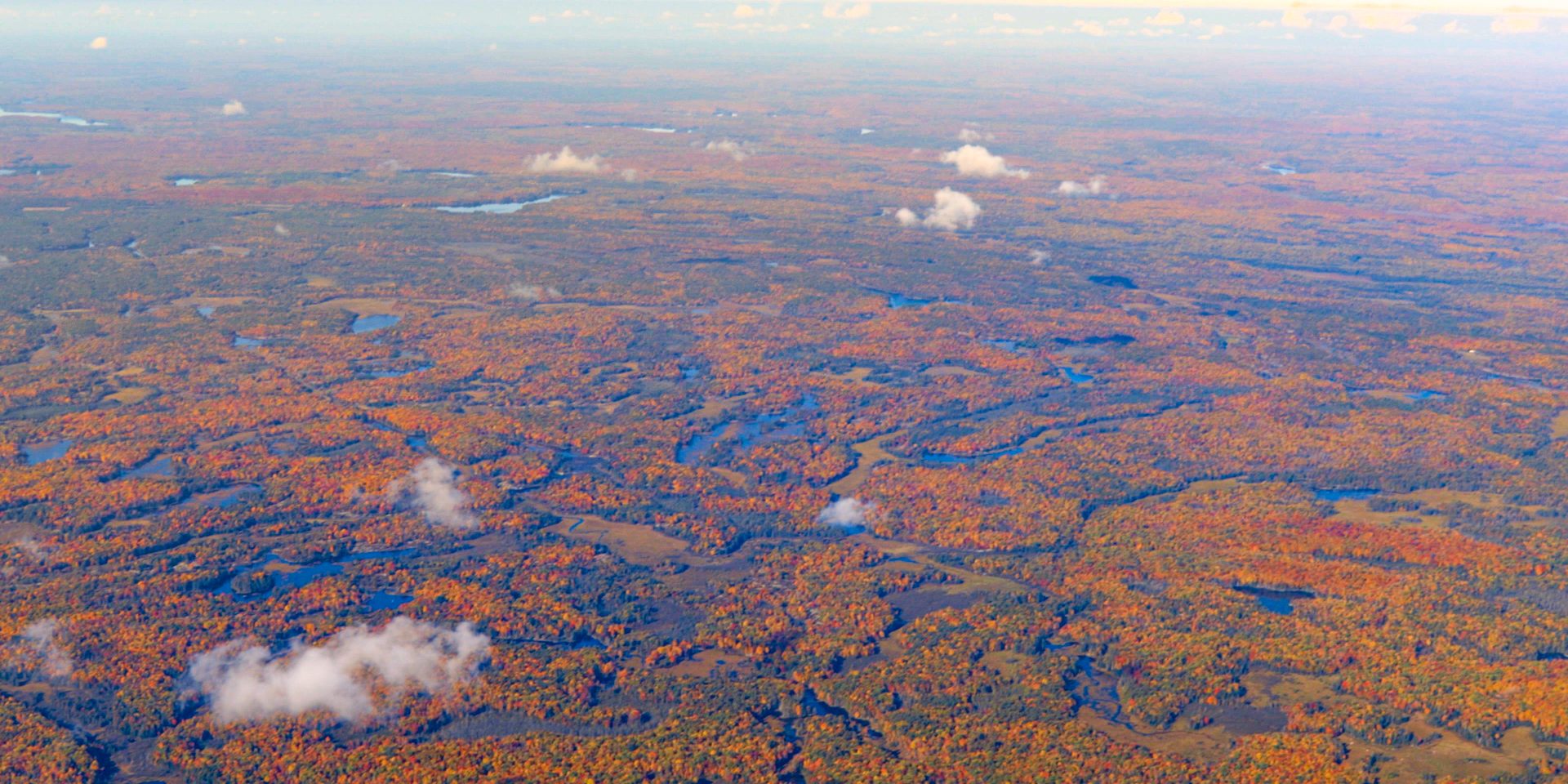
This has steered our land acquisition efforts. In 2025, we acquired the Hadlington Reserve in Highlands East featuring 28 acres of wetland along the Burnt River watershed.
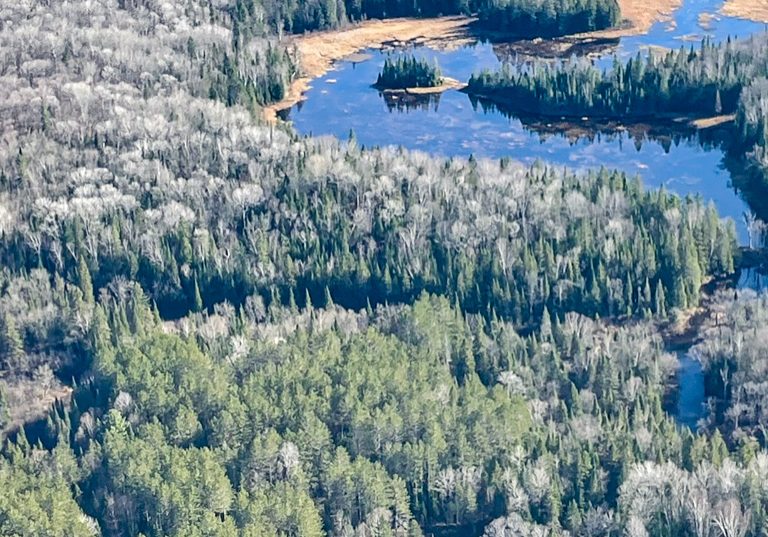
This year we acquired our latest property on Plantation Road. The 50 acres of wetland here lie north of Minden on the Gull River watershed, providing direct flood protection for our community.
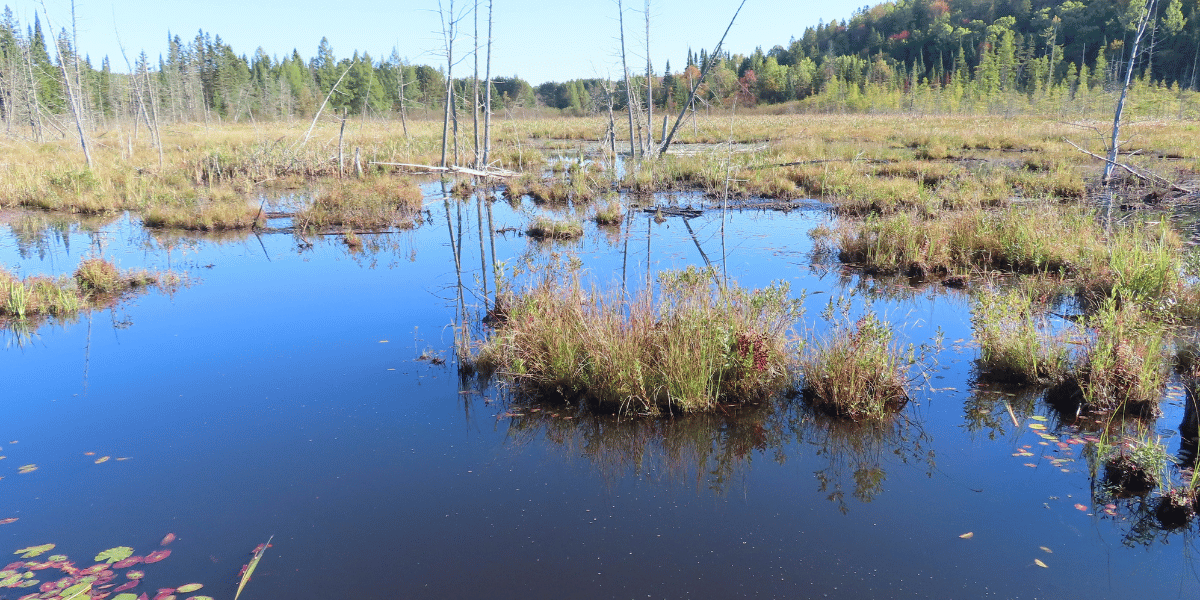

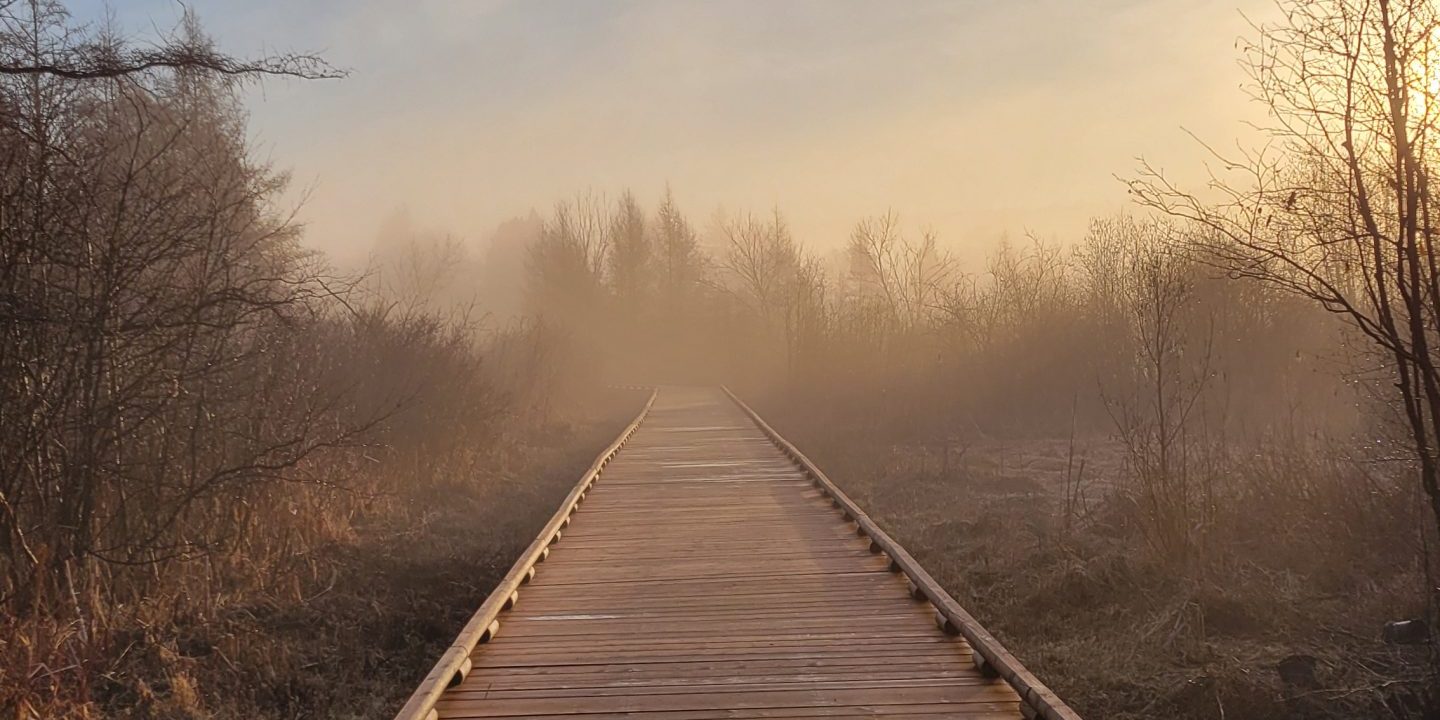
So join us in truly valuing our wetlands for the incredible gifts they provide our community. Rather than filling them in to build that next home, let’s integrate them into our developed spaces as core infrastructure and celebrate them as places of beauty and life. Hey, we already have an amazing example with the Minden Boardwalk. Each year, this small park brings the first signs of hope in spring to our town, filling with the chatter of Red-Winged Blackbirds, Grackles, and other early migratory birds. It is a reminder that when we work with rather than against nature, we are rewarded for it—and that is a gift worth protecting with everything we have.